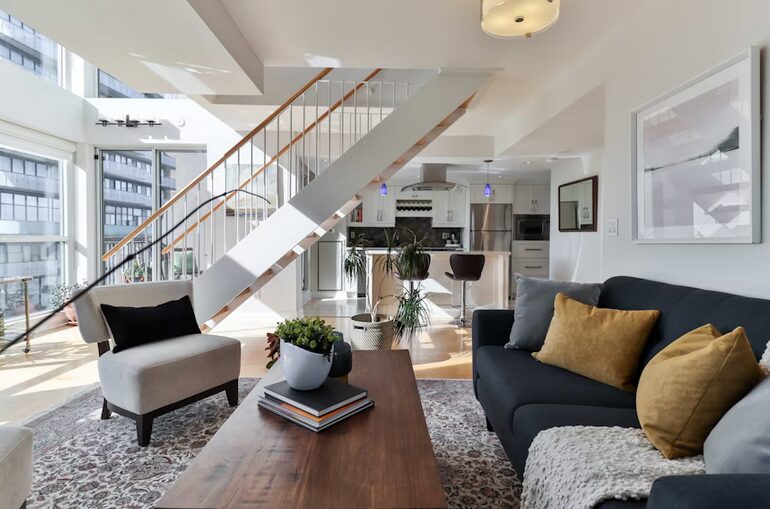
Open concept living has become a popular design trend in modern homes, offering a sense of space, flexibility, and connectivity that traditional layouts often lack. By removing walls and barriers between rooms, homeowners can create a flowing environment that encourages interaction and maximizes natural light. This type of layout can transform how families use their living spaces, making them more versatile and inviting. While open concept designs require careful planning to maintain functionality, the benefits often outweigh the challenges. Understanding the key advantages can help homeowners decide if this design approach suits their lifestyle. Here are the top five benefits of open concept living for contemporary homes.
Enhanced Natural Light
One of the most noticeable benefits of open concept layouts is the increased natural light throughout the home. Without walls separating rooms, sunlight can travel freely, brightening multiple areas simultaneously. This effect reduces the need for artificial lighting during the day and creates a more uplifting and cheerful environment. Natural light also enhances the appearance of interior finishes, colors, and furnishings, giving the home a more vibrant and welcoming atmosphere. In addition to aesthetics, exposure to natural light has been linked to improved mood and energy levels, making open concept spaces more pleasant to live in.
Improved Social Interaction
Open concept living fosters greater social interaction among family members and guests. In a traditional home with enclosed rooms, people in the kitchen or living area may feel isolated from others in different rooms. Open layouts allow for easier conversation and engagement across spaces, making it ideal for families who want to spend time together while performing daily activities. Whether cooking, dining, or relaxing, occupants can maintain connections without feeling separated by walls or doors. This fluidity enhances communication and strengthens family bonds.
Flexibility in Space Usage
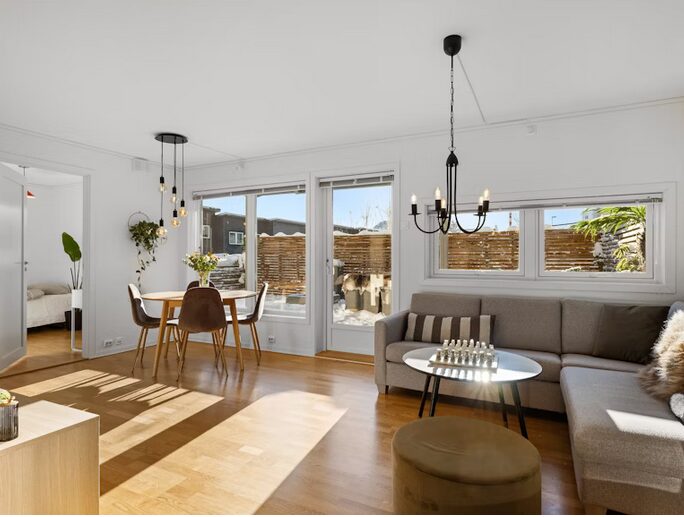
An open layout offers flexibility in how rooms are utilized. Furniture arrangement and multifunctional areas are easier to achieve when barriers are minimized. Homeowners can create zones for dining, lounging, or work without permanent divisions, allowing spaces to adapt to changing needs. For example, a living area can accommodate a temporary home office, play area, or entertainment setup depending on requirements. This adaptability makes open concept designs particularly suitable for families with evolving lifestyles or those who entertain frequently.
Increased Perception of Space
Open concept designs make homes feel larger and more spacious than their actual square footage. Removing walls creates visual continuity, which can reduce the sense of confinement often experienced in segmented layouts. This effect is especially beneficial for smaller homes, where maximizing perceived space is crucial. By combining areas like the kitchen, dining, and living room into a single flowing environment, homeowners achieve an airy and expansive feel that contributes to comfort and livability. Additionally, open spaces allow for more creativity in interior design, as furnishings and décor can be coordinated across wider areas.
Enhanced Home Value and Appeal
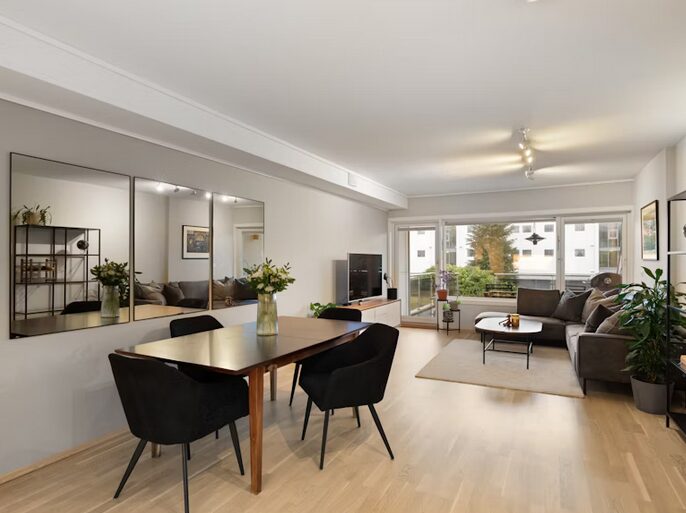
Open concept living has become a highly sought-after feature in the real estate market. Homes with open layouts often attract buyers who value modern design, natural light, and functional flexibility. By creating a more connected and visually appealing environment, open concept spaces can increase a property’s marketability and resale value. This benefit makes the design choice not only an improvement for daily living but also a strategic investment in the property’s future. For homeowners considering renovations, converting traditional layouts into open spaces can be a worthwhile upgrade.
In summary, open concept living offers numerous benefits that enhance the experience of modern homeownership. The top five advantages—enhanced natural light, improved social interaction, flexible space usage, increased perception of space, and greater home value—demonstrate why this design approach continues to gain popularity. Open layouts provide a dynamic and adaptable environment that supports daily activities, entertaining, and family engagement. By embracing the openness and flow of contemporary designs, homeowners can create spaces that are bright, functional, and visually appealing, ensuring their homes meet both current needs and long-term lifestyle goals.